Winter Jolly: The Enchanting Handwritten Font for Makers
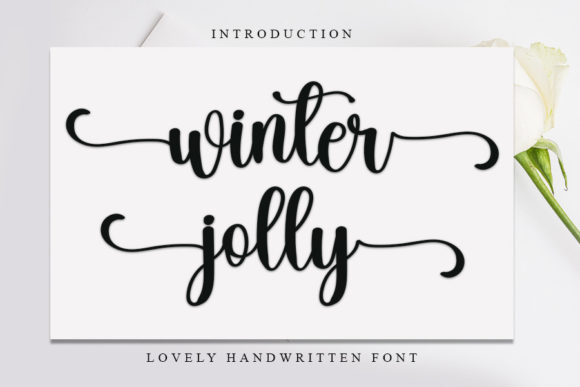
There is a specific kind of magic that happens when you are finalizing the design for a new batch of soy candles. You have poured the wax, selected the perfect amber glass jars, and mixed a scent that smells like pine needles and vanilla bean. But as you stare at the blank label template on your screen, something feels missing. The standard sans serif fonts feel too cold, and the overly ornate scripts are illegible at small sizes. This is the moment I discovered Winter Jolly, an enchanting handwritten font that instantly transformed my packaging from generic to boutique-quality. For crafters, handmade sellers, and printable creators, finding the right typeface is not just about aesthetics; it is about communicating the soul of your product. Winter Jolly does exactly that, offering a delicate script that feels personal, warm, and inviting.
Using Winter Jolly for Elegant Candle Labels and Product Packaging
When working with Script Handwritten styles for physical products, legibility is often the biggest hurdle. Many beautiful fonts look stunning on a large monitor but turn into unreadable blobs when printed on a two-inch round sticker. Winter Jolly strikes a rare balance between artistic flair and practical readability. I recently used it for a line of holiday-themed candle labels, pairing the font with a clean, minimal sans serif for the scent description and weight details. The contrast was immediate and effective. The flowing curves of Winter Jolly drew the eye to the product name, while the secondary font provided the necessary information without competing for attention. This delicate script has a wide spectrum of applications ranging from greeting cards to headlines and logos, making it incredibly versatile for small business owners who need one reliable font for multiple product lines.
The charm of Winter Jolly lies in its natural rhythm. It does not look mechanically perfect; instead, it mimics the gentle variation of a real pen on paper. This human touch is crucial for handmade brands. Customers buying a hand-poured candle or a knitted scarf are looking for connection and authenticity. A font that feels "made by hand" reinforces the value of the labor involved in creating the item. Whether you are designing tags for jewelry, labels for homemade jams, or packaging for artisan soaps, this font adds a layer of perceived quality that sterile, digital-looking typefaces simply cannot achieve.
Designing Wedding Invitations and Greeting Cards with Winter Jolly
Stationery design is another area where Fonts play a pivotal role in setting the emotional tone. I recently collaborated on a set of winter wedding invitations, and the client wanted something that felt festive but not childish. Winter Jolly was the perfect solution. Its name suggests playfulness, but its execution is sophisticated and refined. I used it for the couple’s names and the main header, allowing the swashes and ligatures to create a sense of movement across the card stock. The result was an invitation suite that felt both celebratory and elegant.
Beyond weddings, this font excels in everyday greeting cards. Whether you are creating printable downloads for Etsy or printing physical cards for local boutique sales, the versatility of Winter Jolly shines. It works beautifully for birthdays, thank-you notes, and seasonal greetings. Because it is PUA encoded, accessing special characters and alternates is straightforward, allowing you to customize each design slightly so that no two cards look exactly the same. This level of customization is a huge selling point for buyers who want their stationery to feel unique and personal. The font’s delicate nature means it pairs exceptionally well with watercolor illustrations, floral borders, or minimalist geometric frames, giving designers plenty of room to experiment with layout and composition.
Creating Professional Logos and Brand Headers with Winter Jolly
Your brand identity is the first thing potential customers see, and your logo is the anchor of that identity. Many new shop owners struggle to find a font that looks professional enough for a logo but creative enough to stand out. Winter Jolly bridges this gap effectively. As an enchanting handwritten font, it brings a sense of approachability and warmth to brand headers. I have seen it used successfully for bakery logos, photography watermarks, and boutique clothing tags. The key to using a script font for branding is consistency. Once you choose Winter Jolly for your primary logo, use it sparingly in your marketing materials to maintain its impact.
For digital creators, this font is also a powerhouse for social media graphics and blog headers. In a feed full of bold, loud typography, the soft elegance of Winter Jolly can stop the scroll. It invites the viewer to pause and read. When creating promotional images for sales or new product launches, pairing this script with ample white space allows the letters to breathe, enhancing readability and visual appeal. It is important to remember that while Winter Jolly is fantastic for short phrases, names, and titles, it is not designed for long paragraphs of body text. Use it for impact, not for information density.
Technical Advantages of PUA Encoded Script Handwritten Fonts
One of the most practical features of Winter Jolly is that it is PUA encoded. For those unfamiliar with typography terms, PUA (Private Use Area) encoding means that all the special characters, ligatures, and alternates are accessible directly through your keyboard or character map, without needing complex software workarounds. This is a game-changer for crafters using cutting machines like Cricut or Silhouette. When you are designing stickers or vinyl decals, being able to quickly swap out a standard "g" for a more decorative alternate can save hours of manual editing. It streamlines the workflow, allowing you to focus on creativity rather than technical troubleshooting.
This technical ease also benefits those creating digital printables. If you are designing planner pages, wall art, or templates for other sellers, having full access to the font’s entire character set ensures that your designs look polished and professional. You can add subtle flourishes to monograms or create unique typographic compositions that stand out in a crowded marketplace. The flexibility of Winter Jolly means it adapts to various design software, from Adobe Illustrator to Canva, making it accessible to designers of all skill levels.
Pairing Winter Jolly with Other Typefaces for Balanced Designs
To get the most out of Winter Jolly, understanding font pairing is essential. Because it is a delicate script, it needs a sturdy partner to ground the design. I frequently pair it with a simple, modern sans serif font for a clean, contemporary look. This combination works wonders for product labels where you need to balance artistic flair with clear information. Alternatively, pairing it with a classic serif font can evoke a more traditional, vintage feel, which is perfect for heritage-style branding or rustic wedding themes. Avoid pairing it with other busy scripts, as this can create visual clutter and reduce readability. The goal is to let Winter Jolly be the star, supported by a quiet, reliable companion font.
In conclusion, Winter Jolly is more than just a set of letters; it is a tool for storytelling. For makers and sellers, it offers a way to infuse personality into every touchpoint of their business, from the unboxing experience to the digital storefront. Its enchanting style, combined with practical usability, makes it a valuable addition to any creative toolkit. Whether you are printing your first batch of stickers or redesigning your entire brand identity, this font provides the warmth and elegance needed to connect with your audience on a deeper level.